
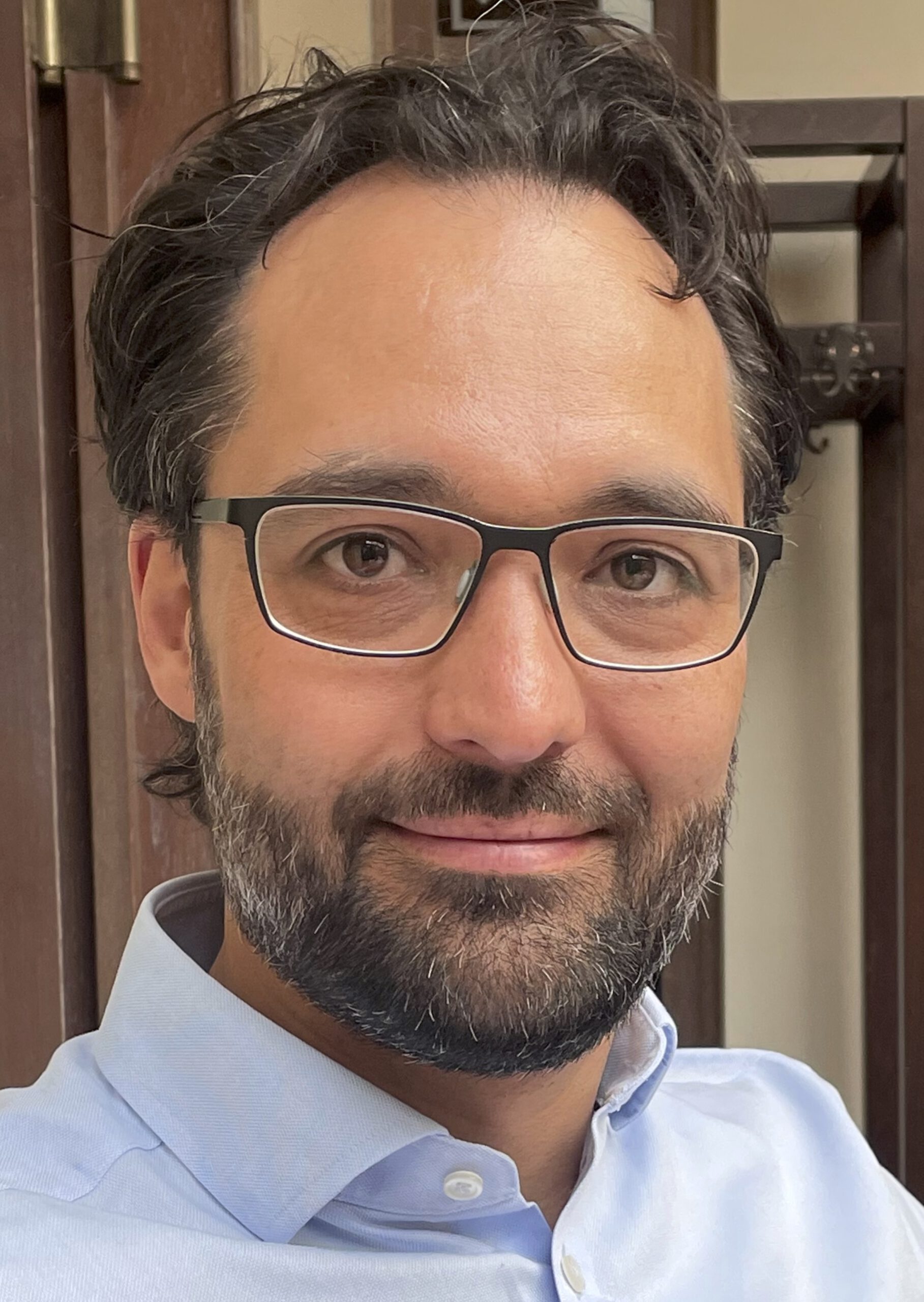
Philosopher of science (Ph.D.) and AI researcher with a background in physics (M.Sc.) and programming working at the intersection between philosophy, contemporary sciences and AI methods. Currently visiting researcher at the computerliguistic department (CIS) of the LMU Munich.
In my present research I have been exploring how methods with Large Language Models can advance philosophy, the digital humanities and other fields that processes large amounts of text with a high demand for accurracy. My focus is both on the reliability and evaluation of these methods. I have hosted a group on “Text analysis with Large Language Models” at the Center for Digital Humanities of the University of Münster.
A second AI focus is on ethical considerations concerning machine learning: What are central principles in the ethics of AI and how to balance them? Which ethical requirements (explainability, fairness, no bias) need a conceptual answer and which could be solved technically and how? As in other fields, I here especially enjoy clarifying the interplay and dependencies between issues on the conceptual with those on the technical level.
Other themes of my research are an appropriate view of matter as suggested by quantum theory, the correct principles of how to infer causation from data (including principles suitable for machine learning), and an ontological model of our world’s part-whole structure that is based on scientific findings.
More generally, I am interested in epistemological issues of scientific methodology as well as in ontological consequences of accepted scientific results. I pursue a modest form of ontology, which is informed by science and well aware of the epistemic limits of human enquiry. Where appropriate, I appreciate the assistance of formal or computational methods in answering philosophical questions.
I have always considered philosophy as in continuity with the sciences in that it needs to refer to empirical evidence rather than indulge in speculations. As a trained physicist, my main source of scientific evidence has been foundational physical theories, especially quantum theory and relativity, but I am also interested in complex systems such as humans or other organisms as treated by biophysics or neuroscience. Occasionally I peak into social sciences or psychology.
Contact |
Links |
|
paul.naeger AT cis DOT lmu DOT de |
SCIENTIFIC NETWORKS MY WORK ON |